
Weeping Tile in Ottawa: Prevent Basement Flooding and Protect Your Foundation

Finding water in your basement or noticing new foundation cracks can be stressful. In many cases, these problems are caused by groundwater building up around your home.
Weeping tile is a perforated drainage pipe installed around your foundation footing that collects groundwater and directs it safely away from your home. In Ottawa, where groundwater issues are common, a properly installed weeping tile system is essential for preventing basement flooding and foundation damage.
When water builds up in the soil around your foundation, it creates pressure that forces moisture through cracks and joints. Over time, this leads to mold growth, structural damage, and expensive repairs. A weeping tile system relieves this pressure before it can cause damage.
What is Weeping Tile?
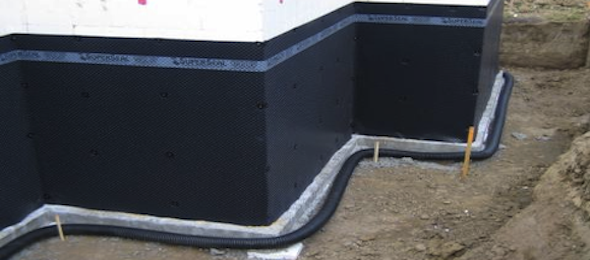
Weeping tile, also called a perimeter drain or foundation drain, is a perforated plastic or PVC pipe installed around the base of your home’s foundation. Its job is simple: to collect groundwater and move it away from your house before it causes problems.
The pipe has small holes that let water in, and it’s usually surrounded by gravel or a filter fabric to keep soil from clogging the system. Once the water enters the pipe, it’s carried to a collection point, typically a sump pit inside your basement or an exterior drain that leads the water away from your home.
In short, weeping tile helps manage groundwater around your foundation before it turns into leaks, flooding, or structural damage.
How Does a Weeping Tile System Work?
A weeping tile system has several key components that work together to keep groundwater away from your home:
- The Pipe: A perforated PVC or plastic pipe that runs around your foundation footing. Small holes in the pipe let groundwater enter, while the solid sections carry the water safely away from your foundation.
- The Gravel or Filter Layer: The pipe is usually surrounded by gravel or wrapped in a filter fabric. This layer helps water flow easily into the pipe while keeping soil and debris out, preventing clogs.
- The Collection Point: Water collected by the pipe flows to either a sump pit inside your basement or an exterior drain. If it goes to a sump pit, a sump pump removes the water. Exterior drains rely on gravity to direct water safely away from your home.
- How Water Enters: Groundwater naturally moves through the soil toward the holes in the pipe. The system is mostly passive and doesn’t require power, although a sump pump may be needed if water collects in the basement.
A properly installed weeping tile system works continuously, especially during heavy rain or snowmelt, keeping your foundation protected year-round.
Interior vs. Exterior Installation
Weeping tile systems are installed in two main configurations: exterior and interior. Each has different applications and benefits, so understanding the difference can help you choose the right solution for your home.
Exterior Weeping Tile
Exterior systems are installed around the outside of your foundation footing, usually during construction. The pipe is placed in a trench at foundation level, surrounded by gravel, and then backfilled.
Advantages:
- Most effective, intercepting water before it reaches your foundation walls
- Less invasive when installed during construction
- Uses gravity to direct water away from your home
Disadvantages:
- Can only be installed during new construction or major excavation
- Retrofitting an existing home requires significant digging
- More expensive than interior systems if retrofitted
Interior Weeping Tile
Interior systems are installed inside the basement, typically along the perimeter where the foundation wall meets the floor. Water that enters the basement is collected and directed to a sump pit.
Advantages:
- Can be installed in existing homes without major excavation
- Less expensive than exterior retrofit installation
- Captures water that has already seeped in
Disadvantages:
- Only addresses water that has already entered the basement (reactive, not preventative)
- Requires a working sump pump to remove water
- Less effective than exterior systems at preventing water infiltration
Which One Does Your Home Have?
In Ottawa, most older homes were built with exterior weeping tile systems. If your home was constructed in the last 20–30 years, it likely has an exterior system in place.
Interior systems are usually found only in homes that have had basement finishing work done or in cases where the exterior system failed and water issues needed to be addressed from the inside.
Why Weeping Tile Is Critical in Ottawa
Ottawa’s soil and climate make a properly functioning weeping tile system especially important for protecting your foundation. Here’s why:
- Clay Soil: Ottawa’s clay soil expands when wet and contracts when dry. This constant movement puts pressure on foundation walls and can create cracks. Once cracks form, water can enter more easily.
- High Groundwater: The city has a relatively high water table, meaning groundwater often sits near the foundation level, especially during spring or after heavy rains.
- Freeze-Thaw Cycles: During winter, water in the soil around your foundation freezes and expands, putting extra pressure on the walls. This repeated cycle slowly damages concrete and widens cracks over time.
- Spring Snowmelt: Rapid snowmelt combined with spring rains creates peak groundwater levels, placing maximum pressure on your foundation.
Without a properly functioning weeping tile system, these natural conditions can lead to wet basements, foundation cracks, and structural damage. A well-installed system helps prevent all of these problems before they start.
Signs Your Weeping Tile Is Failing
A failing weeping tile system often shows several warning signs. Watch for:
- Water in Your Basement: Active seepage, wet spots on walls, or pooling water on the floor can indicate your weeping tile isn’t collecting or directing water properly.
- Efflorescence: White, chalky residue on basement walls is a sign that water is moving through your foundation. This happens when mineral-laden water evaporates, leaving deposits behind.
- Cracks in Your Foundation: New or expanding cracks in foundation walls often point to water pressure issues that a functioning weeping tile system should prevent.
- Musty Odors: A damp, musty smell in your basement signals that moisture is present and not being properly managed.
- Mold or Mildew: Growth on basement walls, floors, or stored items suggests moisture is accumulating in your basement.
- Wet or Damp Soil Around Your Foundation: If you notice wet soil or standing water near your foundation after rain, your weeping tile may not be working properly.
Any of these signs warrants a professional inspection to determine if your system needs repair or replacement.
Maintenance and Care
A properly functioning weeping tile system requires minimal maintenance, but a few simple steps can help ensure it continues to protect your home.
Keep Gutters and Downspouts Clear
Overflowing gutters and downspouts that discharge water too close to your foundation increase the load on your weeping tile. Keep gutters clean and make sure downspouts extend at least 4–6 feet away from your foundation.
Monitor Grading
The ground around your home should slope away from your foundation. If grading has shifted or settled, water may pool instead of draining naturally. Regrade as needed to maintain proper drainage.
Avoid Planting Near Your Foundation
Trees and shrubs planted too close can damage the weeping tile system as roots grow. Keep plants at least 10 feet away from your foundation.
Check Your Sump Pump
If you have an interior system with a sump pump, test it monthly by pouring water into the pit to ensure the pump activates. Also, check that the discharge line directs water safely away from your home.
Schedule Professional Inspections
Have your system inspected every 5–10 years, especially after major water events such as a heavy spring snowmelt or prolonged rainfall.
When to Call a Professional
Weeping tile repairs and installation are not DIY projects. It’s best to call a foundation professional if you notice any of the following:
- Signs your system may be failing, such as water in the basement, foundation cracks, or efflorescence.
- Considering interior weeping tile installation in your home.
- A malfunctioning sump pump or a system that isn’t draining properly.
- Planning excavation near your foundation, which could impact the existing system.
A foundation professional can assess whether your system is functioning correctly, determine if repairs are needed, and recommend the best solution for your specific situation.
FAQ: Weeping Tile
- What is a weeping tile?
A weeping tile is a perforated drainage pipe installed around your foundation footing. It collects groundwater and directs it away from your home to prevent water damage. - How does water get into a weeping tile?
Groundwater naturally flows through the small perforations (holes) in the pipe. The pipe is usually surrounded by gravel, which allows water to enter while keeping soil and debris from clogging the system. - What is another name for a weeping tile?
Weeping tile is also called a perimeter drain, foundation drain, French drain, or subsurface drainage system. - How is weeping tile installed?
Installation depends on the type of system:
Exterior systems are installed during construction or via major excavation. This involves digging a trench around the foundation footing, placing perforated pipe with gravel, and connecting it to a drainage outlet.
Interior systems are installed along the basement perimeter where the foundation wall meets the floor and are connected to a sump pit. Both types require professional installation. - How long does a weeping tile system last?
Properly installed and maintained systems can last 50+ years. However, failures can occur due to clogging, damage, or foundation settling. Regular inspections help catch problems early. - Does every house need weeping tile
Homes in areas with high groundwater, clay soil, or a history of water problems benefit most. In Ottawa, weeping tile is highly recommended for most homes because of our clay soil and groundwater conditions. - What should I do if my basement is leaking?
First, have a professional inspect your foundation and weeping tile system to determine the source of the leak. Common causes include failing weeping tile, clogged drainage, foundation cracks, or poor grading. A professional can recommend the best repair approach for your situation.
Protect Your Foundation Today
If you suspect your weeping tile system is failing or you’re concerned about water in your basement, don’t wait. Water damage gets exponentially more expensive the longer it’s ignored.
Contact us for a free foundation and drainage assessment. We’ll inspect your weeping tile system, identify any issues, and recommend the best solution to protect your home.
Worried about your foundation?
Get a free, no-obligation assessment from The Foundation Experts. Serving Ottawa and Eastern Ontario since 1995. A+ BBB rated.